Trigger Warning: The following content discusses suicidal ideation, attempts, and emotional pain. Please take care of yourself and seek support if needed.
Suicide and Crisis Lifeline: 988
Warm Lines that DON’T call the Police:
- Call Blackline: 800-604-5841
- Centers BI&POC, LGBTQ+, Black Femme Lens
- Wildflower Alliance Peer Support Line: 888-407-4515
- Trained Peer Supporters
- LGBT National Help Center: 888-843-4564
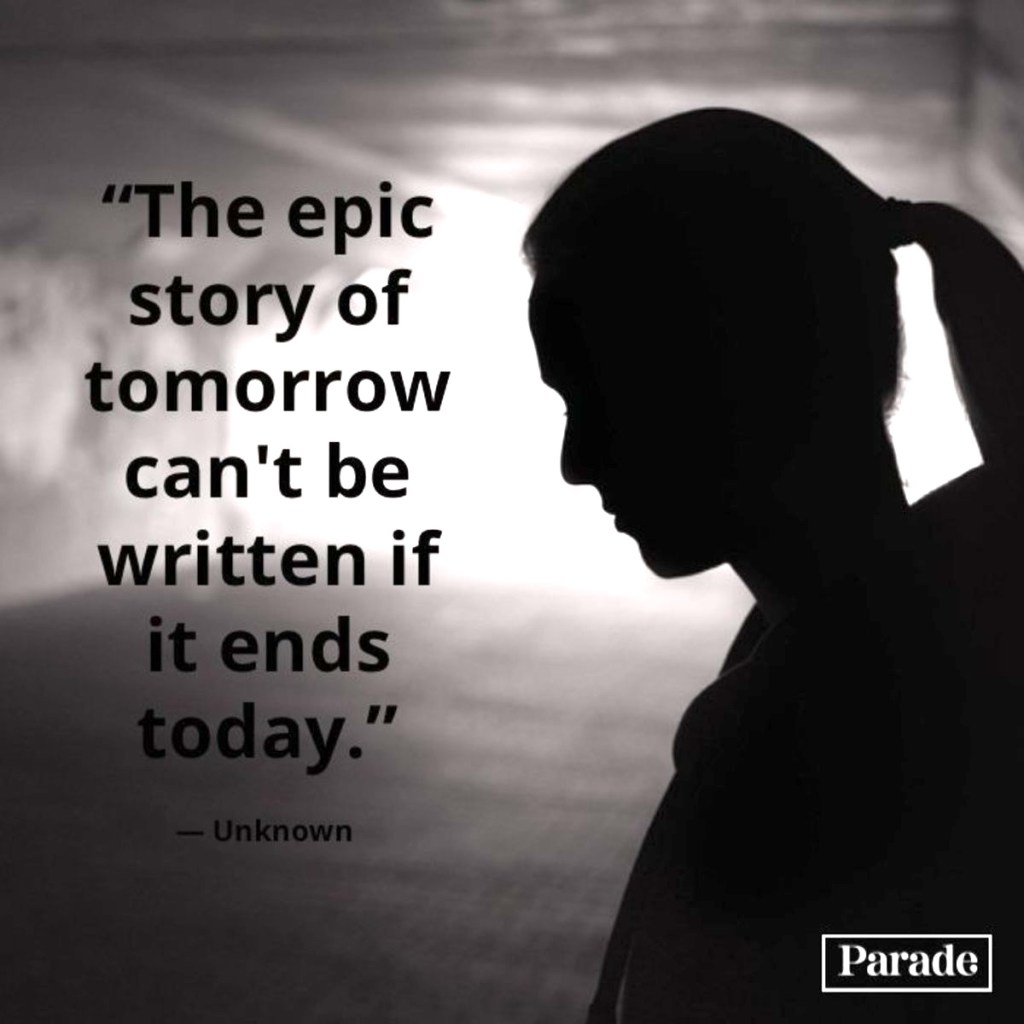
After my long struggle with suicidal ideation and numerous attempts, I have become a strong advocate for suicide awareness. I am dedicated to dismantling the stigma surrounding this topic and offering hope to those who might be suffering in silence. Suicide has often been viewed as a taboo subject, and my experience has shown me the wide range of opinions that exist. For example, I was once told that people who attempt or commit suicide are selfish, as they supposedly don’t consider the pain they leave behind. In my case, this perspective felt invalid because my primary motivation for wanting to end my life was to alleviate the burden I felt I was placing on my parents—particularly since I was often labeled as strong-willed and misbehaved, while my brothers were seen as perfect. I always heard: “No one in the house wants to be around you because you don’t know how to behave. Brianna, why are you talking back when I tell you to do something? You are disrespectful. When other people tell their children to do something their children listen so clearly the problem is you. We know what is best for you, you’re a child you don’t know anything about life.” “We can’t do fun things as a family because you always ruin them.”
When I was about 8, I overheard a conversation between my mom and aunt about my behavior. I distinctly remember my mom saying, “I hate her,” along with a list of things she disliked about me (and yes, this is a direct quote—you can ask her if you know her). Even now, I can vividly recall the emotions I felt at that moment. My immediate thought was that my family—my parents and brothers—would be better off without me. I believed I was such a burden that even my own mother hated me. At that age, I didn’t fully understand how to commit suicide, but I remember learning about Abraham and Isaac in Sunday school. In the story, Abraham was asked by God to sacrifice Isaac to test his faith, and the image of Abraham preparing to do so became the basis for my first plan to end my life.
As I grew older, around 14, my struggles with suicidal ideation and attempts intensified. I faced many changes—moving across the country, starting at a new school, and trying to make new friends. I felt like a burden not just to my family but to others as well. I’m incredibly grateful that my mom recognized the signs and sought additional support when the resources my parents had were insufficient. Though nothing improved immediately, her determination to seek help from everyone who cared about me—from old teachers to family members and friends—was crucial. The support didn’t cure my desire to end my life, but it did offer me something invaluable:
- I No Longer Felt Alone- After years of struggling in silence, having my family and friends aware of my struggles shifted my perspective. They made me feel seen, valued, respected, and heard. My community rallied around me during my darkest times, whether I needed to talk, get out of the house, or just find a distraction. Their presence made all the difference, providing me with the support I needed to navigate through those challenging moments.
- Fostered Accountability- Due to the connectives of my community, people would frequently check in on me. This accountability helped me to stay safe because I knew others were paying close attention and cared about my well-being
- Early Intervention- Having a supportive community also played a key role in early intervention. As we humans are creatures of habit, my community was able to stay ahead of the curve by recognizing patterns in my behavior and identifying the things that would trigger my suicidal ideation.
- Promoted a sense of purpose- In my experience, being involved with my community gave me a sense of purpose. Feeling like I was a part of something bigger and I had an important role to play lessened my feelings of feeling worthless or like a burden to others.
- Reduced Stigma- Prior to my struggles, mental health was not discussed in my affluent African American household. To be consice, the only mental health that was acknowledged is postpartum depression. My community created a safe space to talk about my struggles without fear of judgment, which in turn made me more comfortable to seek help from a licensed therapist. Communities that foster understanding and compassion encourage openness and healing.
As an adult, I’ve come to realize just how fortunate I was to have a supportive community during my darkest moments. This has made me reflect deeply on those who suffer in silence, without the safety net of people who can recognize their pain or offer help. It reminds me of the importance of reaching out, advocating for mental health awareness, and creating spaces where no one feels alone in their struggle. Additionally, providing accessible resources such as therapy, hotlines, and peer support groups is essential in ensuring that individuals have the tools they need to seek help and find hope.
I’m deeply grateful that I never succeeded in any of my attempts. I often reflect on my teenage years, sitting in my room, contemplating all the life events I would have missed out on had I gone through with my decision. If I could speak to that young girl who was longing to escape her pain, I would tell her several things. First, you are not alone, and you will meet many people who love and support you just as you are, with all your struggles and imperfections. I would also reassure her that it’s okay not to be okay and that seeking help in moments of despair is a sign of strength, not weakness. It’s important to know that having suicidal thoughts is not something to be ashamed of—you’re not alone in this. In fact, around 13.2 million adults have experienced similar thoughts (CDC,2024). Finally, I’d tell her that while you will still face moments were you think that taking your life is the only way out, life doesn’t necessarily get easier; instead, you grow stronger and learn healthier ways to cope rather than repressing or internalizing your feelings.
If you’re feeling suicidal or contemplating taking your own life, know that your pain is real, but it is not permanent. There is hope, even when it feels far away, and your life holds more value than you can imagine right now. You are not alone in your struggle, and there are people and resources ready to support you. It’s okay to ask for help, to reach out, and to take things one step at a time. You are worthy of love, healing, and a future full of possibilities, even if you can’t see it just yet. Hold on, because brighter days are ahead, and your story isn’t over.
Affirmations:
- I am a valuable and important person
- I allow myself to experience and release my emotions safely
- I trust in my ability to navigate challenging emotions
- I deserve to be seen, heard, and cared for
Resources:
Mental Health America- Support Groups
American Foundation for Suicide Prevention
 Misbehavin'