Trigger Warning: The following content discusses self harm and emotional pain. Please take care of yourself and seek support if needed.
Suicide and Crisis Lifeline: 988
Warm Lines that DON’T call the Police:
- Call Blackline: 800-604-5841
- Centers BI&POC, LGBTQ+, Black Femme Lens
- Wildflower Alliance Peer Support Line: 888-407-4515
- Trained Peer Supporters
- LGBT National Help Center: 888-843-4564
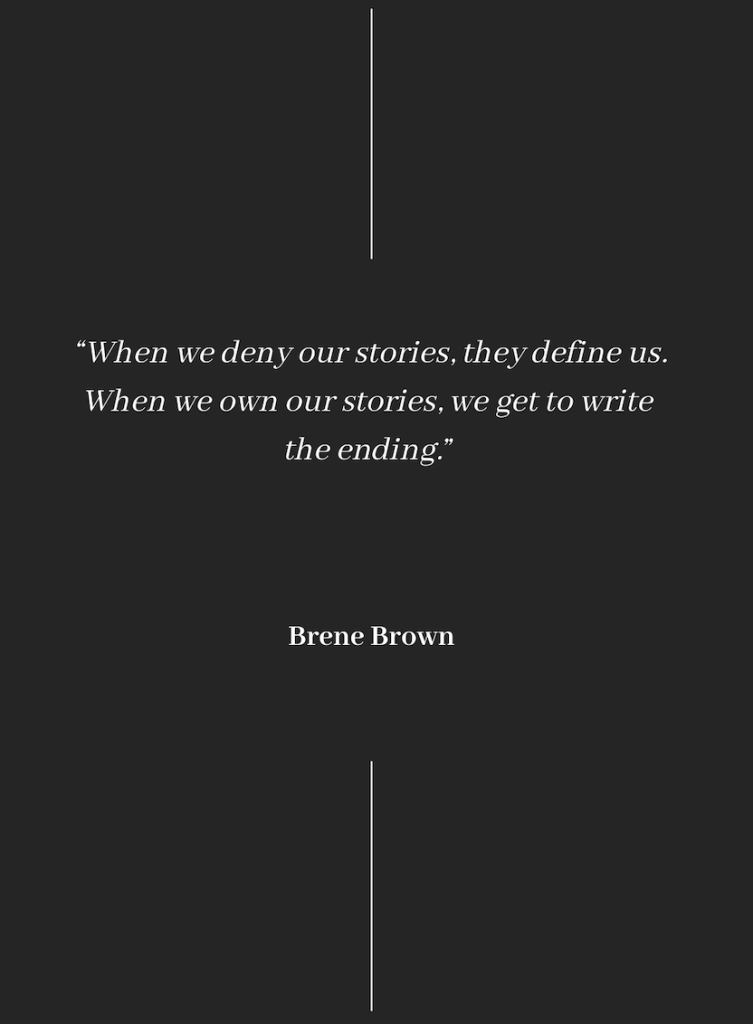
Outward appearances can be deceiving, and my life is a testament to that reality. From the outside, I seemed to have it all—competitive cheer, a big house, a new car, a circle of friends, academic success, a romantic relationship, a home owner at a young age, and financial freedom via my parents. Yet beneath this façade of competence and achievement, I grappled with profound feelings of loneliness and emotional disconnection. Lindsay Gibson captures this struggle when she notes that many people in similar situations often dismiss their own pain, believing that because their physical needs are met, they should feel happy. This conflict highlights a critical issue: the internal struggle of recognizing that emotional fulfillment, which was sorely lacking in my upbringing, is just as vital as material success.
Many people, including my own brother, have told me that I have no reason to complain about my life or feel any sense of injustice because I seem to get everything I want. However, they fail to understand that the one thing I truly desire is the emotional intimacy that my parents were unable to provide. Being told this repeatedly led me to try to appease others by not sharing the pain of my lack of emotional intimacy, hoping to make them more comfortable. Just like Jake’s story in the book Adult Children of Emotionally Immature Parents, once I acknowledged that I am a people pleaser and recognized those who, in the past or present, have undermined my emotional fulfillment to prioritize their own needs at my expense, I found myself filled with resentment and hatred. Though I felt guilty for these feelings, reading this book brought me a sense of validation. As Gibson writes, ”… Hate is a normal and involuntary reaction when somebody tries to control you for no good reason.” As I reflect on the individuals who invalidated my pain, I often wonder if it’s because we tend to desire what we lack. Perhaps those who dismissed my emotions couldn’t understand them, simply because they had never experienced the kind of lack of emotional fulfillment. It makes me question whether their inability to validate my feelings stems from their own longing for material possessions they don’t have, just as I’ve sometimes longed for their emotional detachment.
My tendency to please others, which extended beyond my relationship with my parents, became particularly evident in my first job after college. No matter how much effort I invested or how hard I worked, it never felt like enough. Much like in my adolescence, I found myself attempting to enhance my connection with my employer by assuming whatever role I thought they wanted me to play. While this may have earned me temporary approval, it failed to foster any genuine emotional fulfillment.
I constantly felt inadequate and like I was falling short. It was as if the goalposts were always being moved. As Lindsay Gibson says, “Emotionally immature parents don’t know how to validate their child’s feelings and instincts. Without this validation, children learn to give in to what others seem sure about,” and that’s exactly what happened to me—I learned to trust others’ negative perceptions over my own worth. Growing up, I consistently heard how defiant I was, how I didn’t follow instructions, and how my behavior made things less enjoyable. Those negative remarks became so ingrained in me that when I received a compliment, I didn’t believe it. It’s easy to start thinking you’re a burden when the criticism far outweighs the praise. I now realize that the more determined I became to change the behaviors deemed harmful to my relationships in order to please others, the more I felt like I was losing myself. Recently, as I have started to revive those characteristics of myself that were once deemed as inhibiting I have realized they were only harmful to those people who tried to control me. I am very stubborn and strong-willed, these traits did not serve me well in a home environment where children were expected to be seen and not heard. However, this attitude has helped me become relentless and resilient in the face of challenges as an adult. The same goes for my sensitivity—while being a deeply sensitive person was once seen as a weakness, it has now become one of my greatest strengths, allowing me to connect with others on a deeper level and approach situations with empathy and understanding.
Ultimately, my journey has illuminated the complexity of emotional well-being and the impact of early experiences on adult life. Acknowledging my people-pleasing tendencies and the emotional neglect I endured allowed me to confront the resentment that brewed beneath the surface. While those around me may insist I have no reason to complain, their perceptions fail to recognize the silent battles I face. As I navigate my path toward healing, I am learning that it is okay to embrace my pain and assert my needs rather than suppress them for the comfort of others. By doing so, I hope to find not only my own sense of worth but also the emotional intimacy that has eluded me for so long. In a world that often equates competence with happiness, it is essential to remember that true emotional fulfillment cannot be measured by outward success alone. My experiences serve as a reminder that, while competence may shield us from some forms of criticism, it can also make it difficult to take our pain seriously and seek the emotional connections we truly desire. Acknowledging and addressing this disconnect is the first step toward reclaiming my emotional well-being and finding the intimacy that I have long sought.
Affirmations:
- My worth is not defined by my accomplishments; I am valuable simply for being myself.
- It’s okay to acknowledge my pain; my feelings are valid and deserve to be heard.
- I am learning to trust my instincts and recognize my needs.
- Each day, I am becoming more comfortable with my emotions and allowing myself to heal.

 Misbehavin'